Our Re-Insulation Process
Starting with removing all old insulation that is currently installed in your home, our experienced insulation contractors conduct a blower door test to measure air tightness and identify any spots where there is air leakage in the home. By sealing these trouble spots, our team lays out the foundation for a much more efficient insulation solution.
Once your home has been properly air-sealed, our experts work with you to determine the best choice for new insulation. Local utilities offer rebates on insulation — when you request a quote, our team can help determine if your home is eligible.
Learn more about our process below, or request your free estimate today.
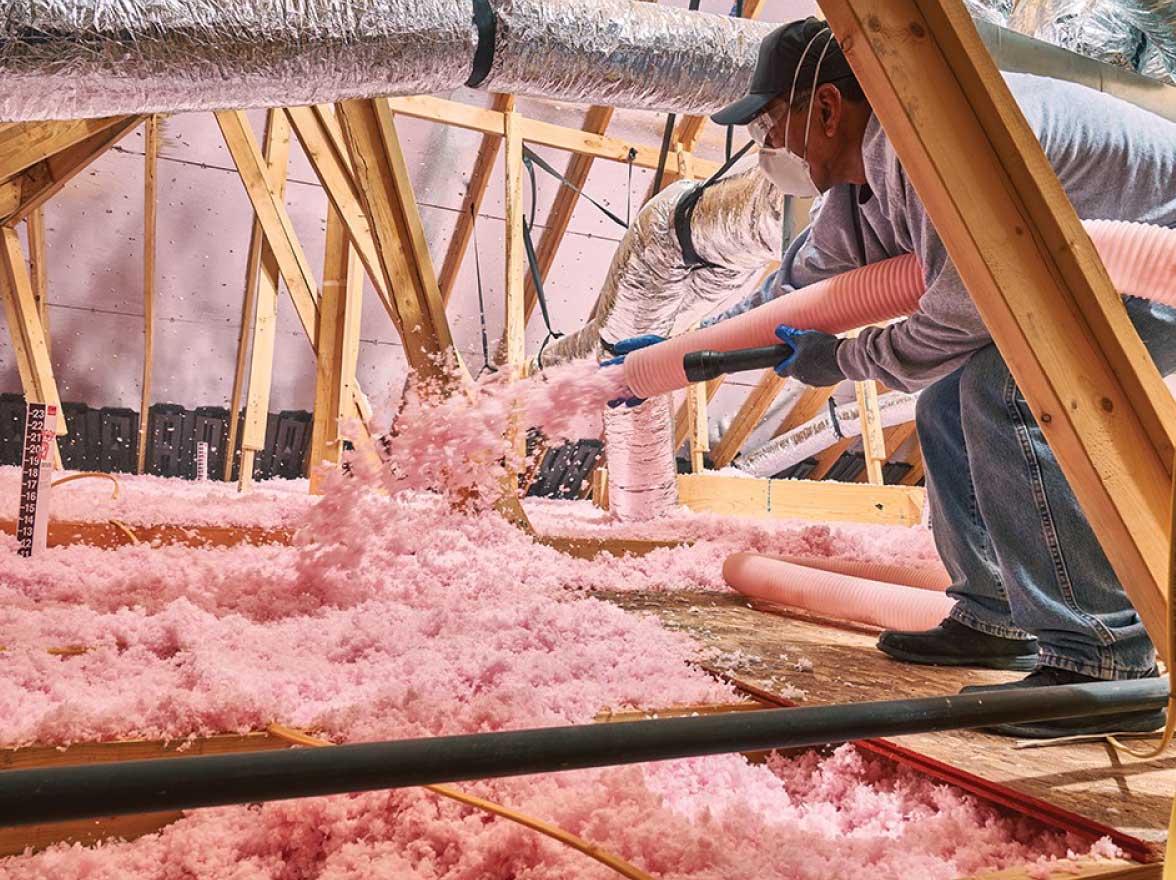
Attic Insulation
As one of the most significant sources of energy loss in a home, attics are one of the best places to insulate.
Learn More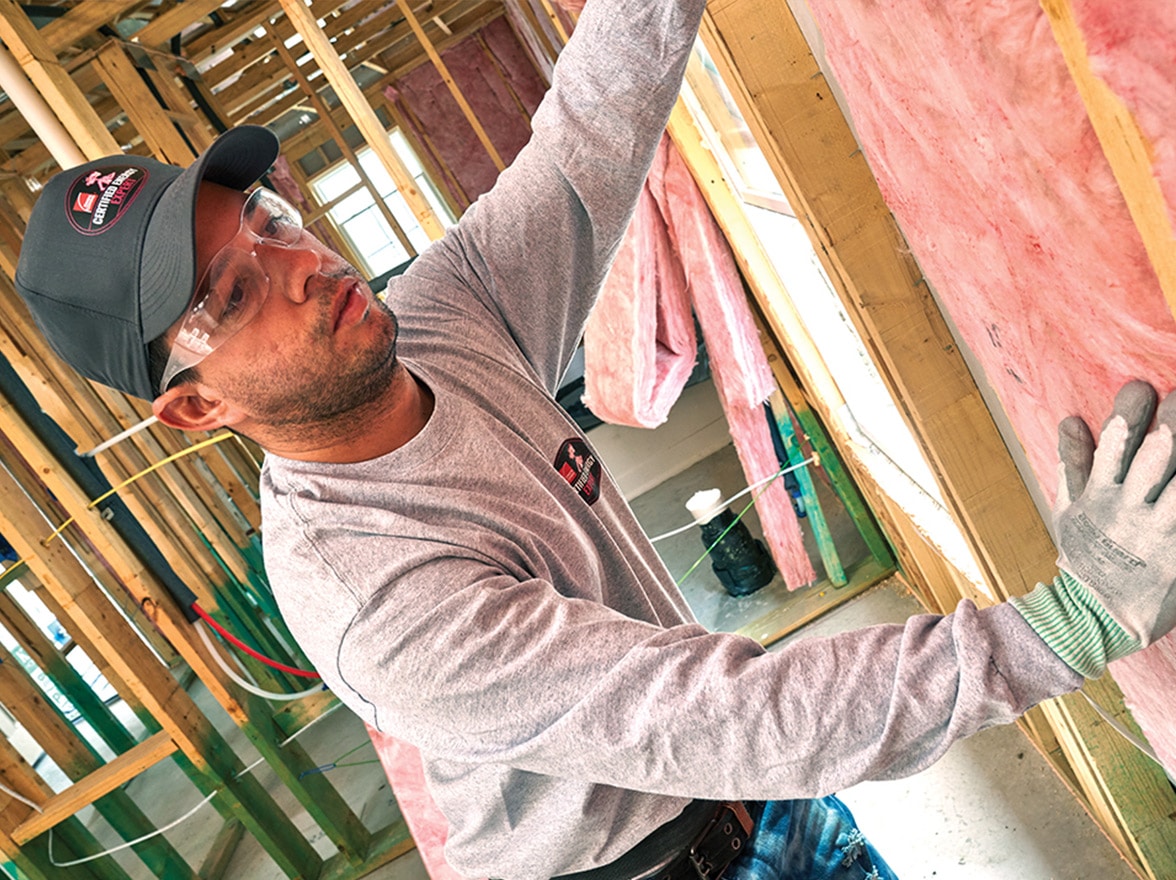
Residential Wall Re-Insulation
Ensuring that your walls are insulated properly is one of the most effective ways to enhance the efficiency and value of your home.
Learn More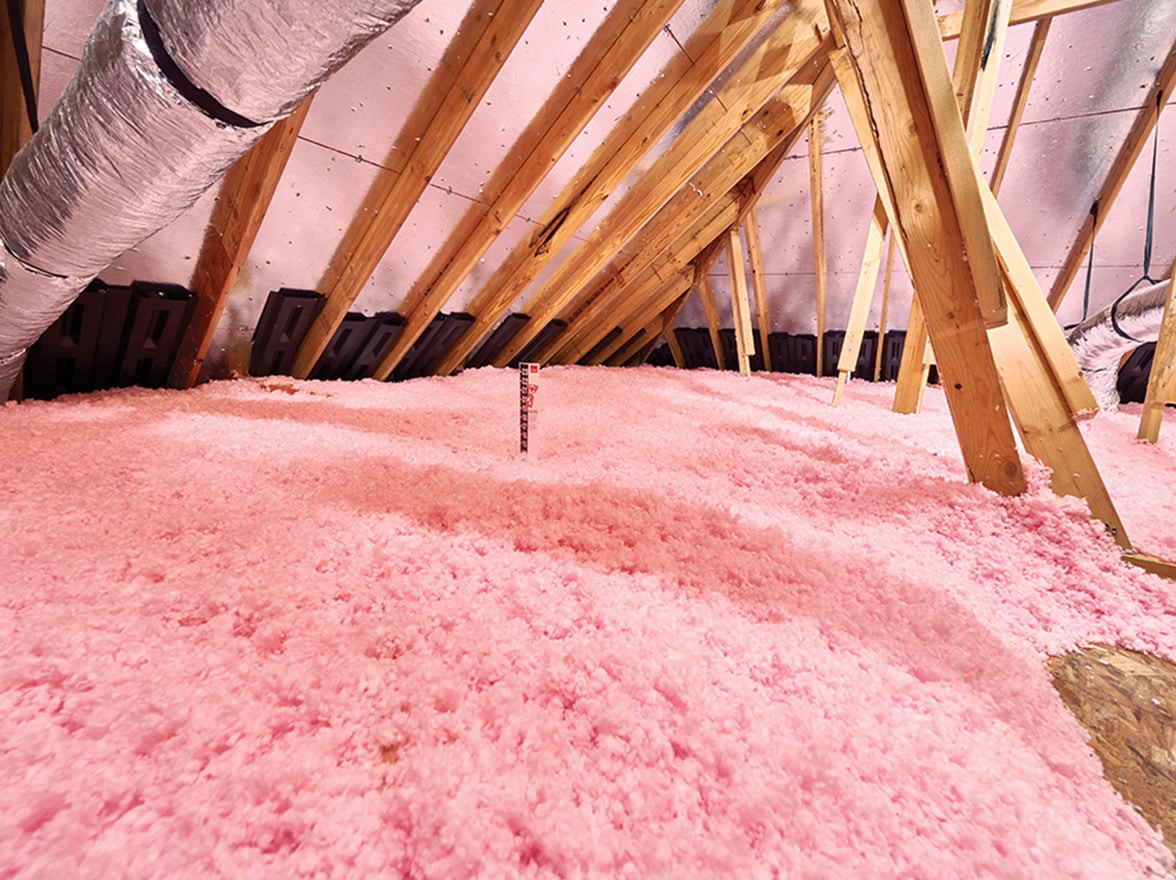
Crawl Space Re-Insulation
If your home has any crawl spaces, don’t let them go without insulation! When crawl spaces are properly insulated, you can cut your energy costs significantly.
Learn More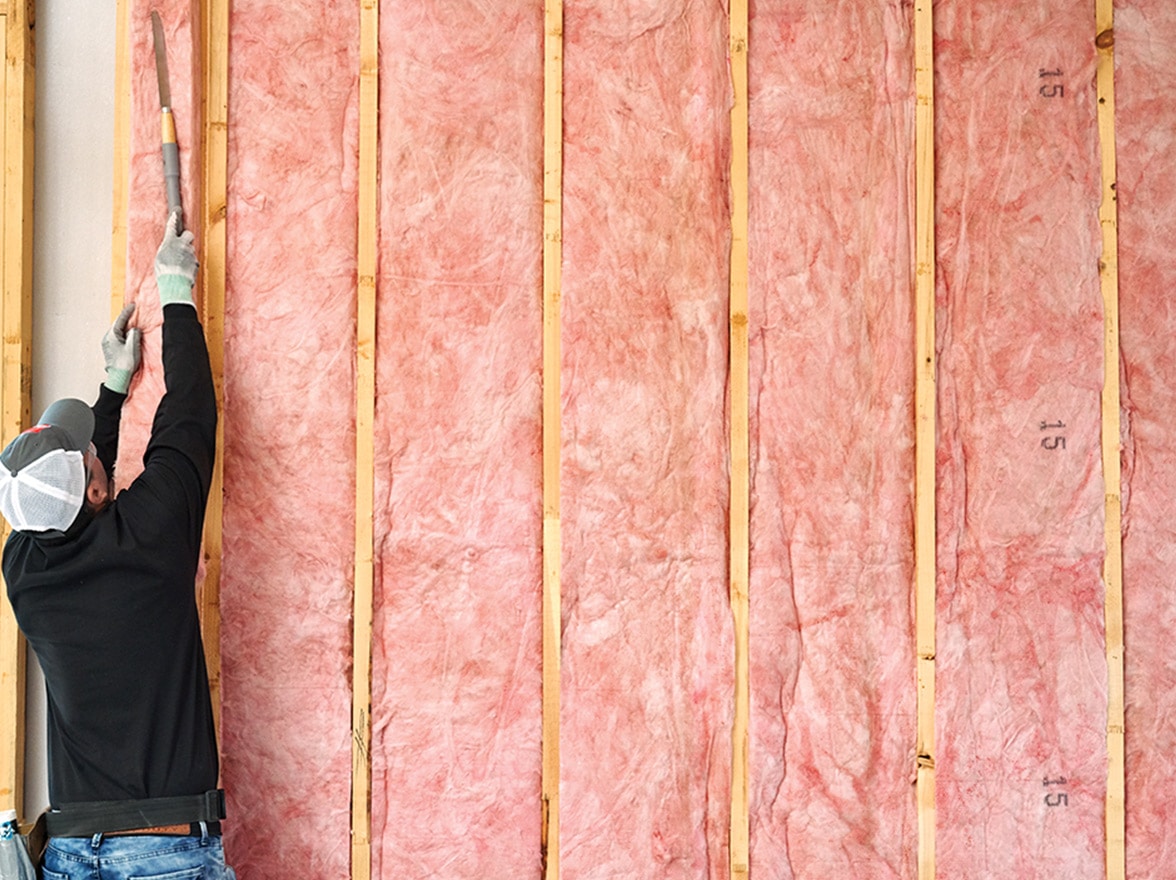
Basement Insulation
Learn about the different types of insulation that are available, and find out what’s best for you.
Learn More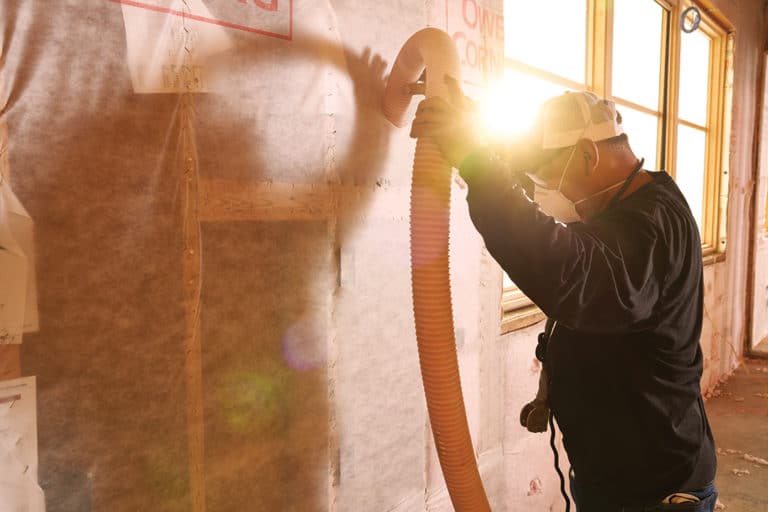
The Benefits of Re-Insulation
There are many benefits of installing existing home insulation to increase your energy efficiency efforts. In addition to helping you save on your energy bills, re-insulation can help:
- Make your home more comfortable year-round
- Improve the overall efficiency of your air conditioner and furnace
- Increase the market value of your home (buyers place a high-value energy efficiency)
- Reduce outside noises and noises between different rooms and levels inside your house
Local utility companies are offering rebates through the Sealed program. Ask us about your rebate options when you request a quote!
Frequently Asked Questions About Re-Insulation
How do I know if my home needs more insulation?
Common signs of inadequate insulation include uneven temperatures between rooms, drafts, cold floors, high heating or cooling costs, ice dams, and an HVAC system that runs constantly. Older homes may also have insulation that has settled, been damaged by pests or water intrusion, or no longer provides enough thermal protection. A home insulation assessment can help identify areas where additional insulation or air sealing may improve comfort and energy efficiency.
Do I need to remove my old insulation before adding new insulation?
Not always. In some homes, new insulation can be added on top of existing insulation if the material is dry, clean and in good condition. Removal may be recommended when existing insulation is wet, damaged, contaminated, or interfering with necessary air-sealing work. The right approach depends on the condition of your current insulation and the areas of your home being improved.
What areas of my home can be re-insulated?
Many areas of an existing home can benefit from additional insulation, including attics, exterior walls, basements, and crawl spaces. Attics are often a priority because they can be a significant source of heat loss. MIG Building Systems provides re-insulation services for each of these areas in homes throughout the Rochester and Syracuse areas.
Should my home be air sealed before adding insulation?
Air sealing and insulation work together to improve home comfort and energy efficiency. Air sealing addresses gaps and penetrations where conditioned air can escape, while insulation slows heat transfer through the building envelope. MIG Building Systems’ current re-insulation process includes identifying air leakage and sealing problem areas before installing the recommended insulation.
What type of insulation is best for an existing home?
The best insulation depends on where it will be installed, the condition of the home and the goals of the project. Options for existing homes can include fiberglass, cellulose, and spray foam insulation. MIG Building Systems installs these insulation types for retrofit projects and can recommend an option based on the specific area being improved.
Can adding insulation help lower my energy bills?
Proper insulation and air sealing can reduce unwanted heat loss and heat gain, helping your heating and cooling systems maintain a more consistent indoor temperature. The actual savings will depend on factors such as your home’s existing insulation levels, air leakage, HVAC system and the improvements completed.